



Pond Filter Media — K1, Bio Balls & Foam
$20.00
$30.00
from $10.00
from $15.00
$380.00
from $160.00
$60.00
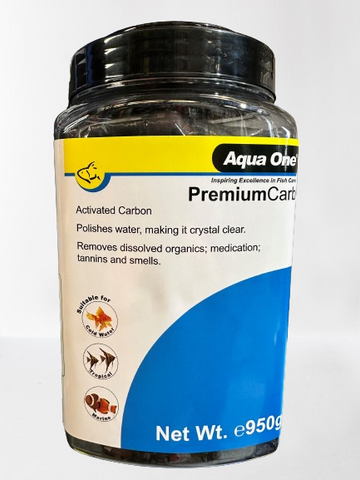
from $20.00
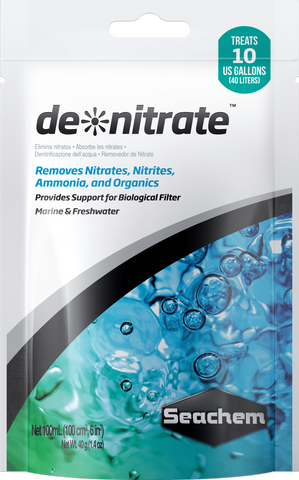
from $8.80
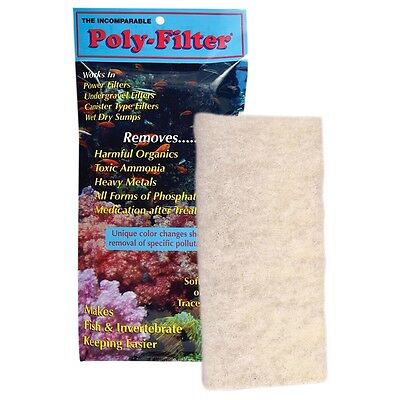
from $35.00
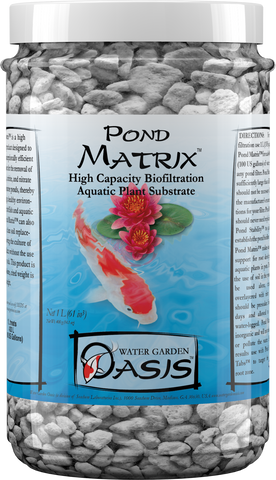
from $37.00
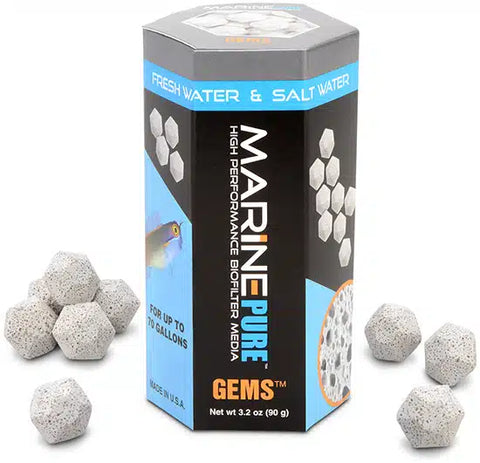
Pond Filter Media — K1, Bio Balls, Sponge and More
Filter media is what does the actual filtering inside your pond filter. The filter housing is just a box; the media is what catches debris and grows the bacteria that keep your pond water safe.
Mechanical media
Catches physical debris before water reaches the biological stage:
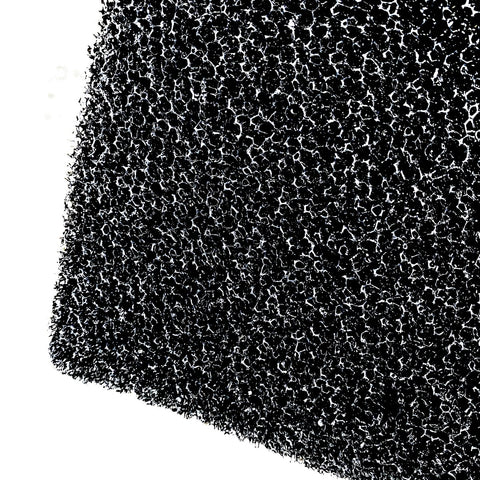
- Coarse foam pads (10–20 ppi): first stage, traps leaves, twigs, fish waste. Replace every 1–2 years.
- Fine foam pads (30–45 ppi): polishing stage, traps fine particles for crystal-clear water.
- Japanese filter mat: high-end mechanical media that lasts 5+ years. Cuts to size with scissors.
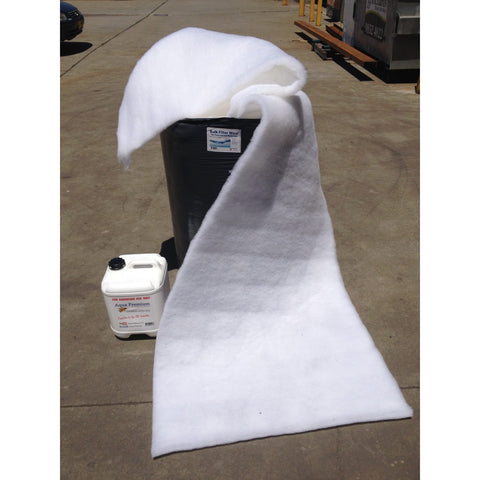
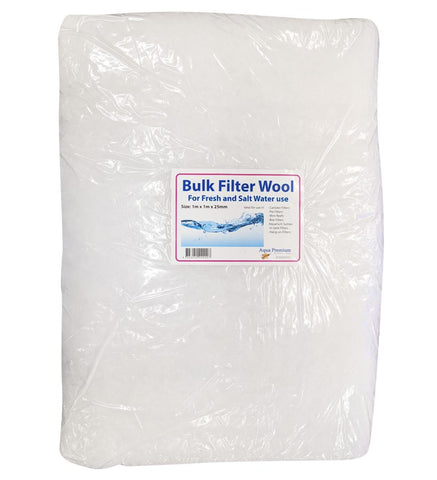
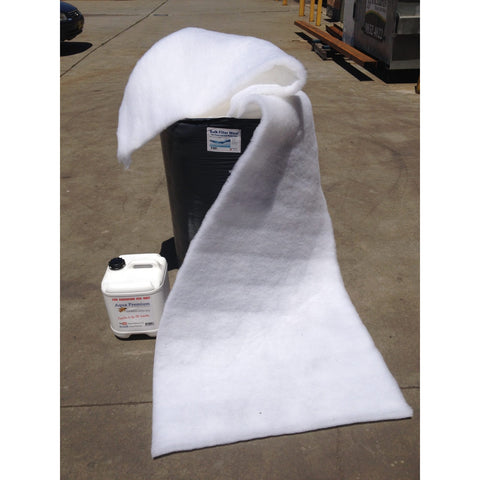
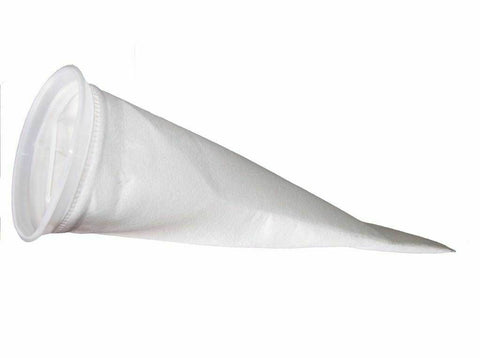
- Filter floss: disposable cotton-like media. Cheap, very fine, replaced monthly.
Biological media
Hosts the bacteria that convert ammonia → nitrite → nitrate. Surface area is the key spec:
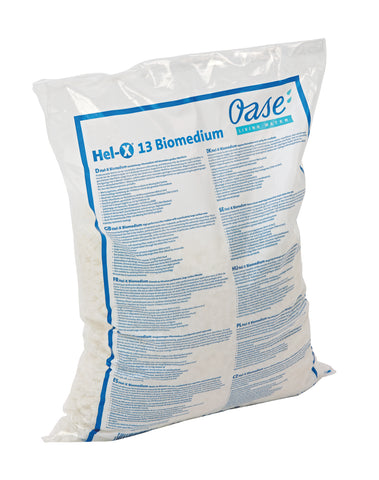
- K1 / Kaldnes (moving bed media): the gold standard. The pieces tumble in aerated water, growing massive bacterial colonies. ~750 m²/m³ surface area.
- K1 Micro: finer K1 for smaller filter chambers and aquariums.
- Bio balls: static media. Cheaper than K1 but lower effective surface area — biofilm only grows on the outside of static media.
- Ceramic rings: porous ceramic media, very high surface area inside the pores. Great for canister filters.
- Lava rock: budget option, high surface area, heavy.
How much media do you need?
For biological media, a rough rule: 1 litre of K1 per 1,000L of pond water for goldfish, double that for koi. Mechanical media depends on the filter housing — fill all the chambers it has.
Cycling new media
Brand-new media has no bacteria. The filter will run ""uncycled"" for 4–6 weeks until the colonies establish. Speed it up with a bacteria starter. Test water during cycling — ammonia spikes can kill fish in a single day.
"