



Pond Filters — Filtration Systems for Fish Ponds

$799.00
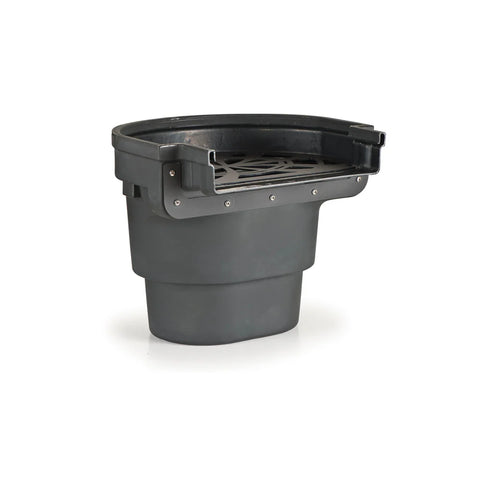
from $607.00
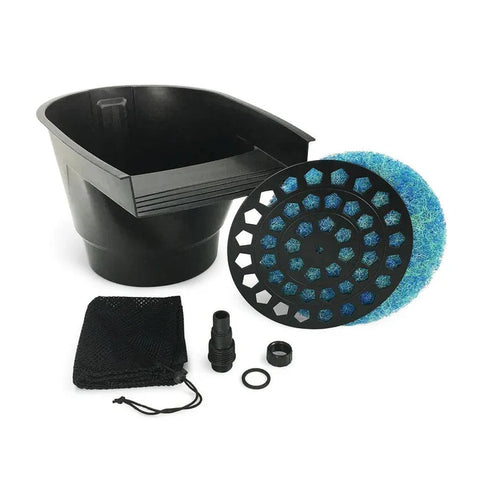
$249.00
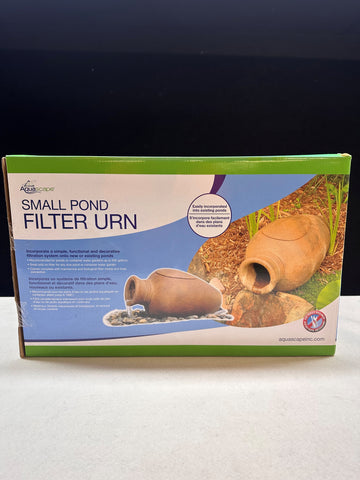
$349.00
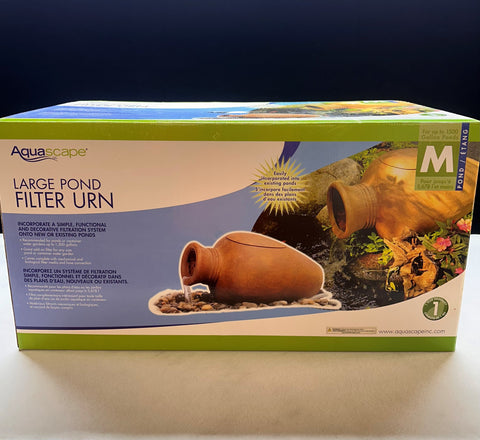
$549.00
Pond Filters — Filtration Systems for Fish Ponds and Koi
A pond filter does two jobs: it strains physical debris (mechanical filtration), and it hosts the bacteria that convert ammonia and nitrite into harmless nitrate (biological filtration). Get either job wrong and your fish are in trouble.
We split our range into the four common filter types:
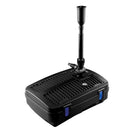
- All-in-one in-pond filters — pump, filter media and UV in one submerged unit. Best for ponds under 6,000L with light fish loads.
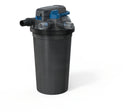
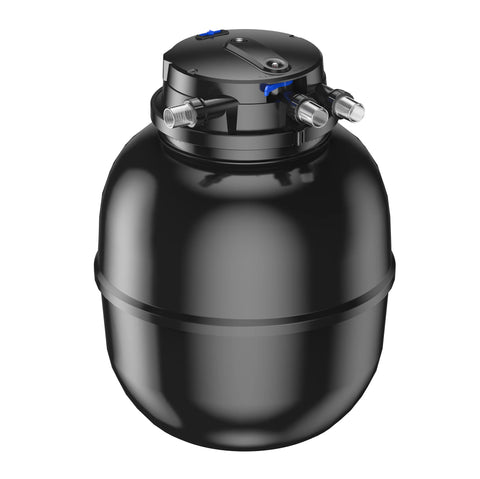
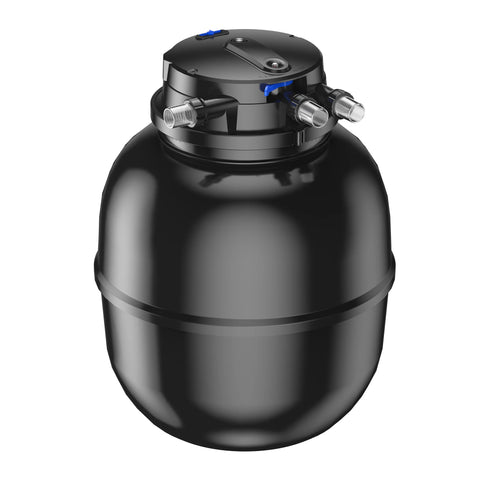
- Pressurised filters — sealed canister sits beside the pond, pumped flow goes through it, returns via a waterfall. Good middle-ground for fish ponds 2,000–15,000L.
- Gravity-fed filters (koi specialists) — open-top multi-chamber units that sit at pond level. The standard for serious koi keepers because they're easy to clean and handle heavy biological loads.
- UV clarifiers — not technically filters, but they kill green-water algae. Most modern filters integrate UV; standalone units retrofit to existing systems.
Sizing a filter
Filter capacity is rated for pond volume AND fish load. Halve the manufacturer's rating if you have koi (they're heavy waste producers). A filter rated ""up to 10,000L"" is realistically a 5,000L koi filter.
Match the filter to your pump flow rate — pressurised filters have max flow ratings; exceeding them blows water past the media without filtering it properly.
Filter media — what goes inside
Most filters ship with starter media but the longer you keep fish, the more you'll customise. Filter media options:
- K1 / moving bed media — the gold standard for biological filtration. The pieces churn in aerated water, growing huge bacterial colonies.
- Bio balls and ceramic rings — static biological media. Cheaper, lower surface area than K1.
- Foam pads — mechanical pre-filtration. Coarse foam catches the big debris; fine foam polishes the water.
- Japanese filter mat — high-end mechanical media that lasts years.
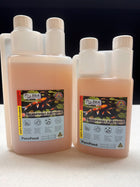
Cycling a new filter
A new filter takes 4–6 weeks to grow the bacteria needed to keep fish safe. Use a bacteria starter to speed it up. Test water with a kit during this period — ammonia spikes can kill fish overnight.