



Pond Pumps & Pump Accessories


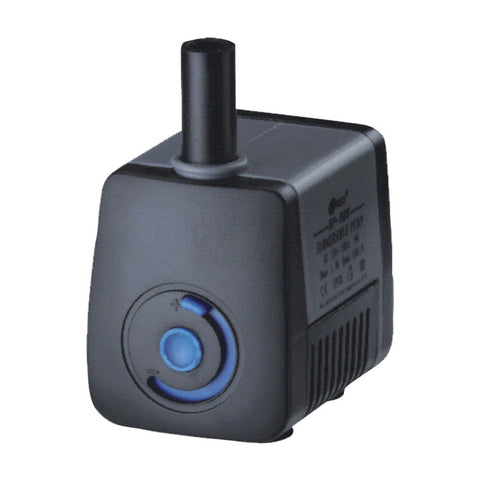
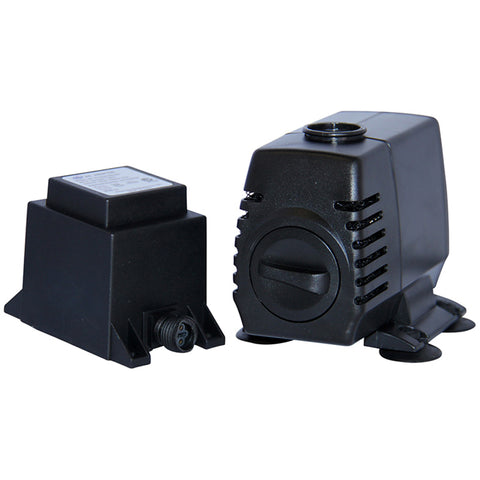
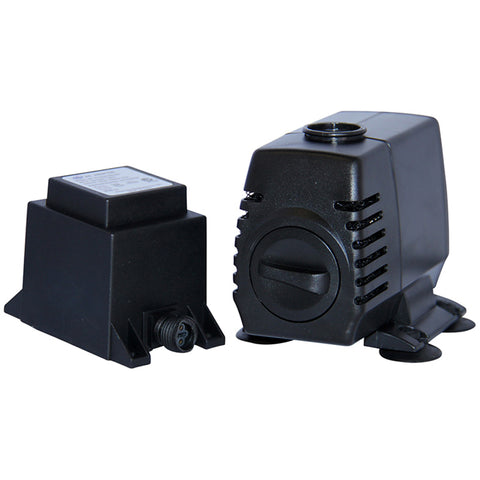
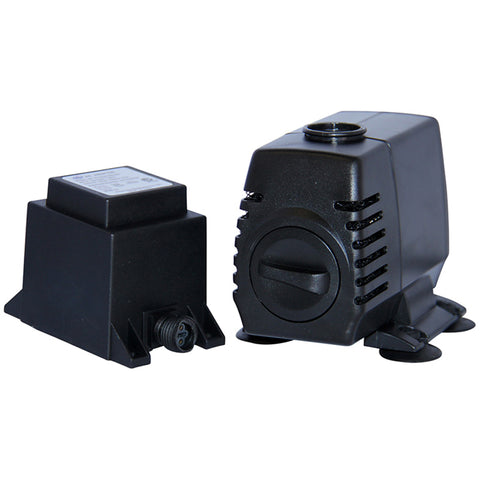
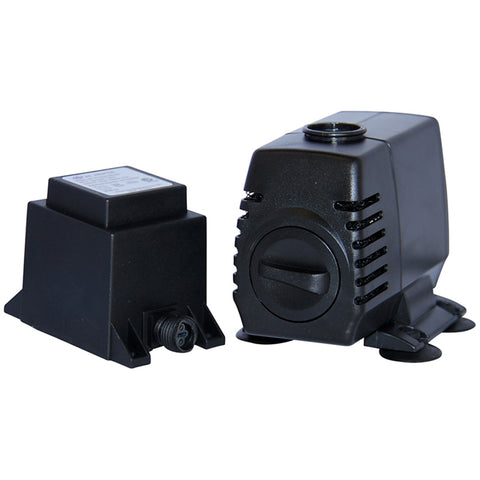
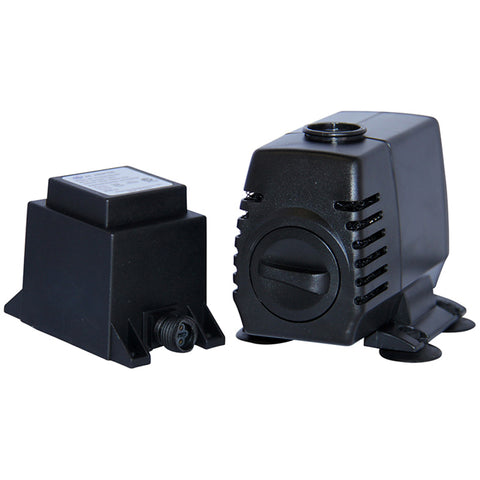
Pond Pumps Australia — Submersible Water Pumps
A pond pump is the heart of a healthy pond. It moves water through the filter, drives waterfalls, and keeps oxygen levels up. The wrong pump means stagnant water, dying fish and a maintenance nightmare. The right one runs quietly for a decade.
Sizing a pump
The starting point: your pump should circulate the entire pond volume at least once per hour. For koi ponds, double it (every 30 minutes). For waterfalls, calculate the head height too — every metre of vertical lift drops flow rate by roughly 20–30%.
Quick reference for a 2,000L pond:
- Goldfish, light load: 2,000–3,000L/h pump
- Koi, full load: 4,000–6,000L/h
- Plus 1m waterfall: add 1,500–2,000L/h on top
Pump types we stock
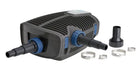
- Submersible pond pumps — sit in the pond, easy install, no priming. Most common type. Brands: Pondmax, OASE, Reefe.
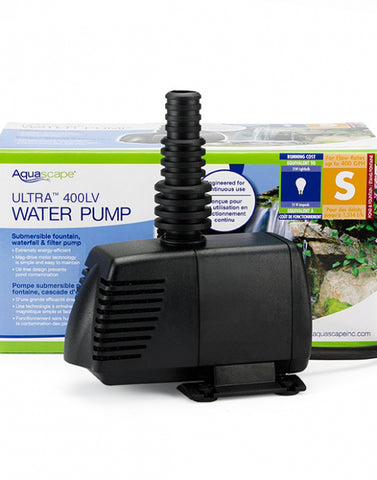
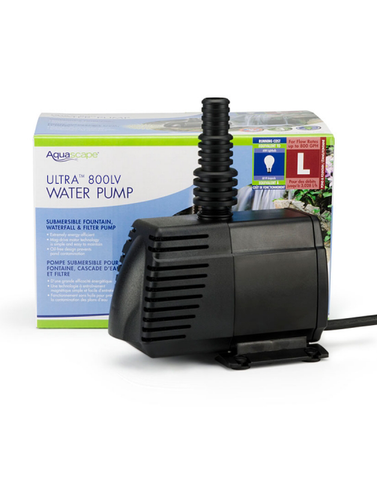
- Mag-drive pumps — magnetic impeller, no shaft seals to fail. Energy efficient. Aquascape dominates this category.
- External pumps — sit outside the pond, plumbed into the system. Used for large koi ponds and commercial setups.
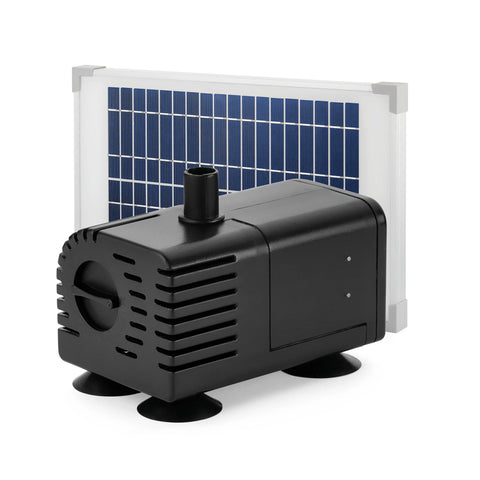
- Solar-powered pumps — for off-grid or running-cost-conscious buyers.
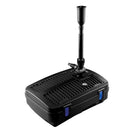
- Filter pumps — combined pump and filter units for small ponds.
Pump accessories
Beyond the pump itself, you'll likely need:
- Pond hose (cut-to-size) — 25mm or 50mm kink-free pond hose for plumbing the pump to the filter or waterfall.
- Hose clamps — stainless steel, sized to your hose diameter.
- Check valves — prevent backflow when the pump is off, useful for high-head waterfalls.
- Pump impellers — wear part. We stock Pondmax replacement parts and OASE service kits.
Energy use
A 5,000L/h pump running 24/7 uses roughly 150W — about $1.10/day at NSW power rates. Modern mag-drive pumps cut that by 30–50%. If running cost is a deal-breaker, look at low-voltage 12V models that pair with solar panels for daytime running.