

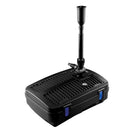
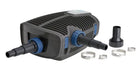


Floating Fountains for Ponds, Lakes & Dams
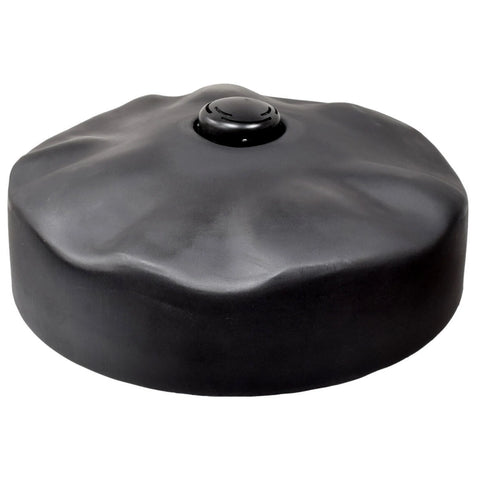
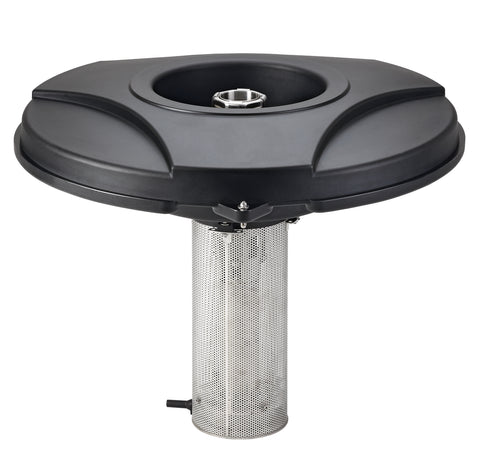
$19,599.00
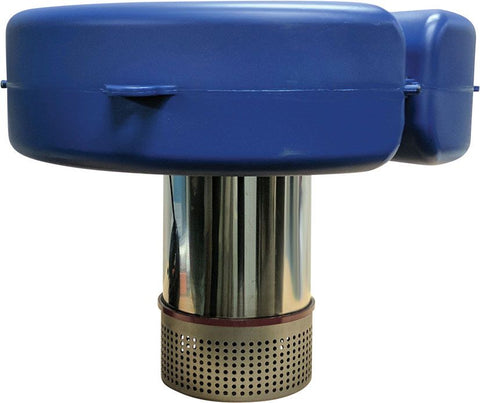
$3,755.00
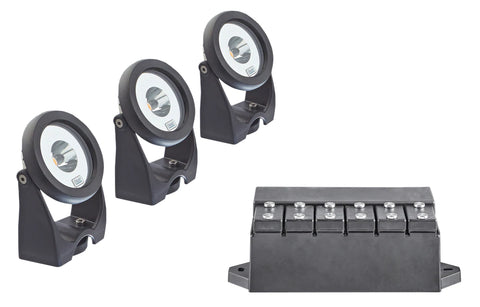
$1,259.00
$1,259.00
$1,059.00
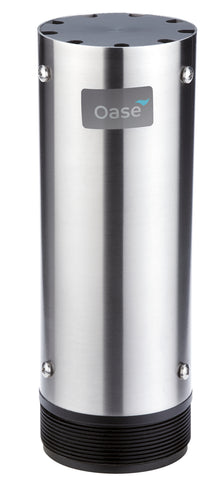
$1,259.00
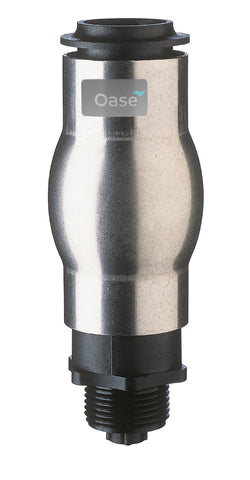
$349.00
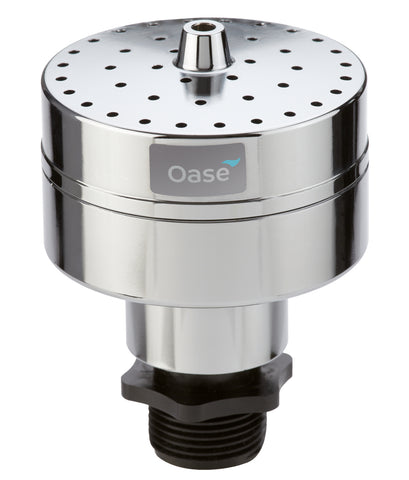
$979.00
Floating Fountains for Ponds, Lakes and Dams
A floating fountain sits on the surface of a pond, lake or dam — anchored by ropes or weights — and shoots a decorative spray pattern while aerating the water below. They serve two functions at once: visual feature and oxygenation, which is why they're common on rural dams and large ornamental ponds.
How floating fountains work
A submerged pump under the float pulls water up through a nozzle. The spray pattern is determined by which nozzle is fitted (most units come with 3–6 interchangeable heads). Power runs through a waterproof cable to a transformer onshore.
For dams and lakes, the cable run can be 30–80m. For larger properties, solar-powered floating fountains remove the cabling problem entirely.
Sizing for property size
- Ornamental ponds (under 30,000L): 3,000–8,000 L/h floating fountain, spray height 1.5–2.5m
- Half-acre dams: 10,000–25,000 L/h, spray height 3–4m
- 1+ acre dams: 50,000+ L/h, spray height 5m+, often with LED lighting kits
Aeration benefit
The visible spray is only half the value. The pump pulls water up from depth and mixes it with air at the top — this oxygenates the lower layers of the water column. For dams that go anaerobic in summer (the smell of rotten eggs, dead fish floating), a floating fountain is one of the cheapest fixes. Smaller ponds may be better served by dedicated pond aerators with bottom-mounted diffusers.
Anchoring
Most kits ship with three anchor ropes. Tie off to bricks or sandbags on the bank, leaving enough slack that the float can rise and fall with water level. For dams that fluctuate (Australian dams swing 1–2m seasonally), use floating buoy anchors instead — they keep tension constant.
LED lights
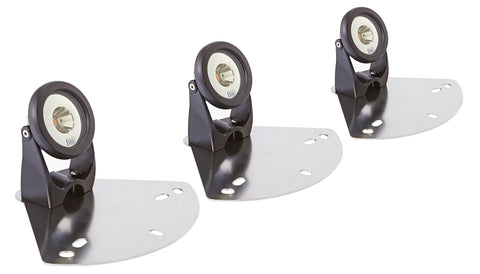
Most ornamental floating fountains have an LED light option that mounts under the spray. RGB-cycling LEDs cost $200–500 extra and turn the fountain into a night feature.
For waterfall-style features instead of jets, see spillways and waterwalls.